Crayon SVG: A Designer’s Take on School-Themed Embroidery
As a designer who spends more time staring at stitch maps than I do sleeping, I have learned to be skeptical of generic clipart. We see thousands of Graphics files floating around the internet, promising ease of use but delivering a nightmare of tangled threads and broken needles. So, when I pulled up the Crayon SVG file to evaluate it for a potential client project, I approached it with my usual critical eye. I was not looking for hype; I was looking for utility. Could this simple icon actually hold up in a real-world embroidery project, or was it just another digital asset destined for the trash bin?
First Impressions: Simplicity Meets Nostalgia
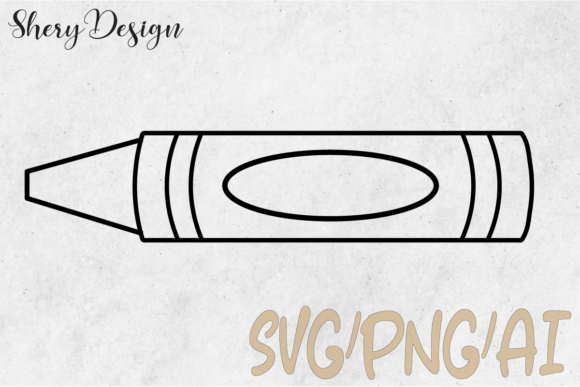
The first thing that strikes you about the Crayon SVG is its clean, uncluttered silhouette. In the world of Crafts, especially within the school and education niche, simplicity is often king. The design captures the iconic shape of a wax crayon with a peeled wrapper, evoking an immediate sense of nostalgia. It is playful without being childish, which is a difficult balance to strike.
From a technical standpoint, the outline style suggests versatility. Because the file is described as high resolution and suitable for printing, the lines are crisp. For embroidery, this is crucial. Jagged or pixelated edges in a source file can lead to erratic stitching paths. Here, the smooth curves of the crayon tip and the straight lines of the body suggest that the digitizer—or the person converting this SVG for machine use—has a clear path to follow. The mood is cheerful and creative, making it an instant fit for back-to-school promotions, teacher appreciation gifts, or nursery decor.
Real-World Application: The Tote Bag Test
To truly understand the value of a design, you must imagine it stitched out. I visualized using this Crayon SVG on a canvas tote bag, a staple item for any Etsy seller or small shop owner. Canvas is a sturdy fabric, but it has a visible weave. A design with too much fine detail can get lost or look messy on such texture. However, the bold nature of this crayon icon works in its favor.
I imagined stitching this as a satin stitch border with a fill stitch interior. The broad surfaces of the crayon body would allow for consistent thread coverage, minimizing the risk of fabric puckering—a common issue with dense designs on lighter materials. For a personalized gift, adding a child’s name along the side of the crayon in a complementary font could transform a simple icon into a bespoke item. This is where the design shines: it acts as a strong anchor for customization without overwhelming the additional text.
Beyond tote bags, this design translates well to sweatshirt embroidery. On fleece or cotton blends, the soft edges of the crayon shape would complement the cozy texture of the garment. It is also an excellent candidate for baby embroidery projects, such as bibs or onesies, provided the scale is adjusted appropriately. The recognizable shape appeals to parents looking for cute, thematic items for their little artists.
Navigating Technical Challenges
While the design is straightforward, it is not without its pitfalls. Any experienced embroidery professional knows that "simple" does not always mean "easy." Here are a few areas where caution is required when working with this machine embroidery design.
- Small Hoop Sizes: If you are stitching this on a 4x4 hoop, ensure the details of the wrapper peel do not become too compressed. Tiny elements can cause thread breaks or look like blobs if the stitch density is too high.
- Dark Fabric: The crayon concept relies on color. If you are stitching on a black or navy garment, you must choose thread colors that pop. Pastels might disappear. Always test your thread colors against the fabric background before committing to the final product.
- Curved Surfaces: Applying this to a cap or hat requires careful hooping. The straight lines of the crayon can distort if the fabric is not stabilized properly. Using a cut-away stabilizer is recommended to maintain the integrity of the shape on stretchy materials.
- Washability: Items like tote bag design prototypes or kids' clothes will undergo frequent washing. Ensure that the stitch type used—whether running stitch for outlines or satin for fills—is secure. Loose threads on a crayon tip could unravel quickly if not locked down correctly.
Enhancing Product Value and Brand Consistency
For commercial embroidery businesses, consistency is key. The Crayon SVG offers a cohesive look that can be part of a larger collection. Imagine pairing it with other school supplies like pencils, rulers, or apples. This creates a themed line of products that strengthens brand recognition. When customers see a consistent aesthetic across your small shop product listings, it builds trust.
Moreover, the visual appeal of this design contributes directly to perceived value. A clean, well-stitched crayon icon looks professional. It signals to the buyer that care was taken in the creation of the finished product. In contrast, a poorly digitized or overly complex design can look cheap and cluttered. This icon’s clarity ensures that it remains legible and attractive even from a distance, which is vital for items like aprons or banners used in classrooms.
Practical Notes for the Embroidery Designer
Before you load this file into your machine, take a moment to review the specifics. Since the product description mentions it is an SVG and PNG, you may need to convert it into a native embroidery file format compatible with your machine. Do not assume the stitch count or density is optimized for embroidery just because the graphic is high resolution.
- Test on Scrap Fabric: Always run a test stitch-out on the same type of fabric you intend to use for the final item. This helps you identify any tension issues or registration errors.
- Check Licensing: Confirm whether the license allows for commercial use. As an Etsy seller or craft business owner, you need to know if you can sell items made with this design or if it is for personal use only.
- Mockup Verification: Create digital mockups in both black and white to check contrast. This helps in selecting the right thread palette for different fabric colors.
- Detail Inspection: Zoom in on the wrapper edges. If they are too sharp, consider rounding them slightly in your digitizing software to prevent thread buildup at the corners.
In conclusion, the Crayon SVG is a solid addition to your library of design assets. It is versatile, nostalgic, and technically manageable for most skill levels. Whether you are creating holiday embroidery gifts for teachers or stocking your online store with custom apparel, this design offers a reliable foundation. Just remember to respect the technical requirements of embroidery, and you will find that this simple icon can carry a lot of weight in your creative portfolio.